Temperature Alarm Systems Protect Critical Environments With Real Time Monitoring and Instant Alerts
The Importance of Temperature Alarm Systems in Modern Monitoring
Maintaining precise environmental conditions is essential across many industries. Pharmaceuticals, vaccines, food products, laboratory samples, and sensitive equipment must remain within strict temperature ranges to preserve quality and safety. Even small fluctuations can result in significant losses or regulatory issues.
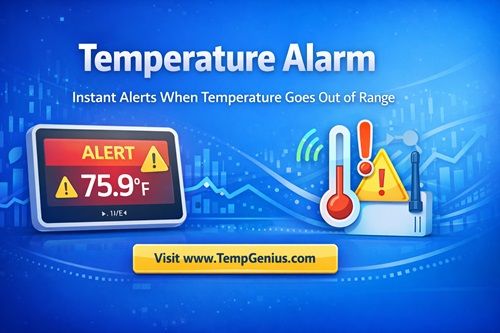
A Temperature Alarm system is designed to detect these fluctuations and notify users immediately when temperatures move outside predefined limits. By using sensors and automated alerts, these systems ensure that corrective action can be taken before damage occurs.
In many monitoring environments, continuous temperature tracking is achieved through digital sensors and temperature data loggers that automatically record and analyze readings over time. These devices collect temperature data and store it for review, compliance documentation, and operational insights.
For organizations that rely on stable storage conditions, temperature alarms act as an essential safeguard against unexpected system failures, power outages, or equipment malfunction.
How Temperature Alarm Systems Work
Modern temperature alarm solutions rely on a combination of hardware sensors, wireless connectivity, and cloud-based monitoring platforms. Sensors continuously measure temperature levels within refrigerators, freezers, cold rooms, warehouses, or controlled environments.
Once the system detects a reading that exceeds or falls below the predefined temperature threshold, it triggers an alert. Alerts can be delivered through multiple channels such as:
- SMS notifications
- Email alerts
- Mobile app notifications
- Audible alarms
- Automated system alerts
These notifications allow facility managers or technicians to respond quickly to correct the issue before it escalates.
Temperature monitoring solutions used in cold chain logistics operate in a similar way. Sensors track conditions in storage areas or transportation units and send alerts when deviations occur, helping prevent spoilage or product degradation.
By automating this process, organizations eliminate the need for manual checks and significantly reduce the risk of unnoticed temperature changes.
Key Industries That Depend on Temperature Alarm Technology
Temperature alarm systems play a vital role in protecting sensitive assets across many sectors.
I. Healthcare and Pharmaceuticals: Hospitals, pharmacies, and laboratories must maintain precise temperatures for vaccines, medications, and biological samples. A temperature alarm ensures that refrigerators and freezers storing critical medical supplies remain within required ranges.
II. Food and Beverage Storage: Food safety regulations require consistent cold storage to prevent contamination and spoilage. Temperature alarms monitor freezers, refrigeration units, and cold storage warehouses to maintain safe storage conditions.
III.Research Laboratories: Laboratories storing biological samples or chemical compounds rely on precise temperature control. Alarm systems notify staff immediately if conditions change due to equipment failure or door openings.
IV. Cold Chain Logistics: During transportation of perishable goods, temperature monitoring systems track conditions from production facilities to delivery locations. If temperatures fluctuate during shipment, alerts help logistics teams take corrective action before products are compromised.
Key Features of Advanced Temperature Alarm Solutions
Modern monitoring platforms offer several powerful capabilities beyond basic alerts. These features help organizations improve reliability, compliance, and operational efficiency.
- Real Time Monitoring: Temperature readings are collected continuously and displayed on a central dashboard for easy tracking.
- Wireless Sensor Technology: Wireless sensors simplify installation and allow monitoring across multiple locations without complex wiring.
- Customizable Alarm Thresholds: Users can define specific temperature ranges and alarm limits depending on regulatory requirements or operational needs.
- Cloud Based Data Storage: Monitoring systems often store data in secure cloud platforms, allowing access from anywhere and providing historical data for audits and analysis.
- Automated Reporting: Reports can be generated automatically to support regulatory compliance and internal quality control procedures.
These advanced capabilities make temperature alarm systems an essential component of modern environmental monitoring strategies.
Why Businesses Choose TempGenius Temperature Alarm Systems
Organizations that rely on strict environmental controls need monitoring systems they can trust. TempGenius provides wireless temperature monitoring solutions designed to deliver reliable alerts, accurate data, and complete visibility into critical environments.
With real-time monitoring, customizable alarms, and secure cloud-based dashboards, TempGenius enables businesses to maintain compliance while protecting valuable assets. Whether monitoring medical refrigerators, laboratory storage, cold chain logistics, or food storage facilities, the platform helps ensure that temperature-sensitive materials remain safe at all times.